

To pack a box for shipping, choose a sturdy box only a little larger than the item, wrap the item, fill every gap so nothing moves, seal it with the H taping method and put one clear label on the top. Carrier packing guides from UPS and FedEx recommend about 2 inches of cushioning between the item and every side of the box.
Most shipping damage comes from items moving inside the box or a box that gives way under other packages. These steps cover both.
What supplies do you need to pack a box?
| Supply | What it does |
|---|---|
| Corrugated shipping box | Carries the load and protects from bumps and stacking |
| Bubble wrap or foam wrap | Wraps and cushions each item |
| Void fill (crumpled paper, air pillows) | Fills empty space so items cannot shift |
| Packing tape, 2 inches or wider | Seals the box seams |
| Shipping label | Tells the carrier where the box goes |
| Plastic bags | Keeps liquids and loose small parts contained |
How do you pack a box for shipping, step by step?
- Pick the right box. Use a new or nearly new corrugated box with all flaps intact. Choose one that leaves about 2 inches around the item for cushioning. A box that is too big lets items slide and can raise shipping costs.
- Tape the bottom. Seal the bottom first using the H method: one strip along the center seam and one across each edge seam.
- Add a bottom layer of cushioning. Lay about 2 inches of bubble wrap, foam or crumpled paper in the bottom.
- Wrap each item separately. Wrap items one by one in bubble wrap, with extra layers on corners and edges. Seal liquids in a leak-proof plastic bag first.
- Center the item. Place it in the middle of the box, away from the walls.
- Fill every gap. Pack crumpled paper, air pillows or more bubble wrap around the sides and on top until nothing moves.
- Do the shake test. Close the flaps and gently shake the box. If you hear or feel movement, add more fill.
- Tape the top. Seal the top with the H method. Use pressure-sensitive plastic packing tape at least 2 inches wide.
- Remove old labels. If you are reusing a box, take off or fully cover old labels and barcodes.
- Add the label. Put the shipping label flat on the largest side, usually the top, not over a seam or edge. Tuck a second copy of the address inside the box.
How do you pack fragile items?
For glass, ceramics, electronics and other fragile goods, carriers recommend the box-in-box method:
- Wrap the item in at least 2 to 3 inches of bubble wrap or foam.
- Pack it snugly into a smaller inner box and tape it shut.
- Choose an outer box about 6 inches longer, wider and taller than the inner box.
- Put about 3 inches of cushioning on the bottom of the outer box, set the inner box in the center, then fill all sides and the top.
- Seal the outer box with the H method and label it.
Which tape should you use, and which should you avoid?
Use pressure-sensitive plastic packing tape, 2 inches wide or wider. UPS and FedEx both say not to seal packages with masking tape, cellophane (household) tape, duct tape or string. Our packing tape guide compares tape types and widths.
What are the most common packing mistakes?
- Too much empty space. Items shift and the top caves in under other boxes.
- Too little cushioning. Items pressed against the walls take every bump directly.
- Worn-out reused boxes. Boxes with dents, tears or soft corners lose strength.
- Wrong tape. Household or masking tape can let go in transit.
- Labels on seams or wrapped around edges. These may not scan.
- Overweight boxes. Each box grade has limits. Our 32 ECT guide explains how much to put in a standard box.
Which shipping supplies does SN International carry?
| Supply | Example at snillc.com |
|---|---|
| Shipping boxes | SN-BOX 12 x 9 x 6" and 16 x 12 x 12" ECT-32 single wall boxes, sold by the bundle |
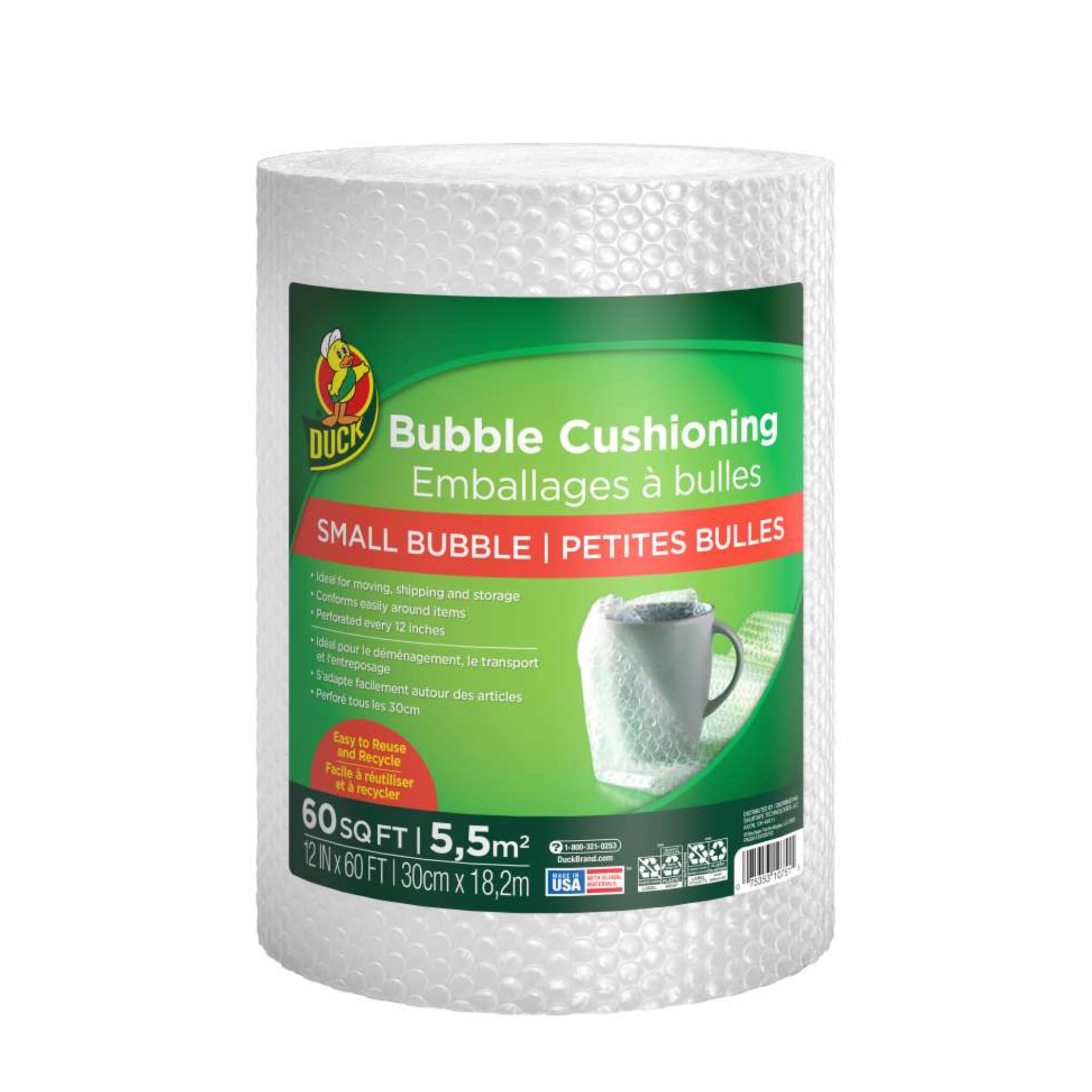
| Bubble wrap | Duck Original Bubble Wrap, 12" x 60', perforated every 12" |
| Packing tape | Duck and Scotch shipping tapes in several widths |
| Shipping labels | Avery 4156 thermal 4" x 6" labels |
See the current price on each product page. Before you order boxes: shipping boxes are not returnable, so check the inside dimensions first.
Frequently asked questions
How much cushioning do I need around an item?
Carrier packing guides recommend about 2 inches of cushioning on every side. For fragile items, use about 3 inches, or pack the item box-in-box.
Can I reuse an old box for shipping?
Only if it is still rigid, with no tears, dents or soft corners, and all flaps intact. Remove or cover every old label and barcode before you ship it.
Where should the shipping label go?
On the largest flat side, usually the top, and not over a seam, edge or tape. Put a copy of the address inside the box as a backup.
Is bubble wrap or paper better?
Bubble wrap is better for wrapping fragile items and corners. Crumpled paper is good for filling gaps around sturdy, light items. Many packers use both.
What is the H taping method?
It is one strip of tape along the center seam where the flaps meet, plus one strip across each edge seam, on both the top and bottom. The tape forms an H shape.
Where to buy shipping and packing supplies
SN International LLC (snillc.com) sells SN-BOX ECT-32 single wall corrugated boxes in 1,193 sizes, plus 100% genuine brand-name packing supplies such as Duck bubble wrap, Duck and Scotch packing tape and Avery and DYMO shipping labels, shipped nationwide from California. Browse boxes on the shipping boxes page. Box orders have a $1,000 minimum in any mix of sizes. Businesses can apply for a B2B account for wholesale membership pricing, and retail buyers can order in the same store. Real people answer the phone Monday to Friday.